
Many adults today are improving their smiles with help from general dentistry in Franklinville, NJ. Crooked teeth, crowding, gaps, and bite problems are common at any age. The good news is that modern orthodontic options make treatment easier and more comfortable than ever before.
Two of the most popular choices are Invisalign® and traditional braces. Both can create a healthier, straighter smile, but they work differently. The right option depends on your lifestyle, goals, and dental needs. Adults often want something effective that also fits their busy schedules and professional lives. Understanding the differences can help you feel confident about your next step.
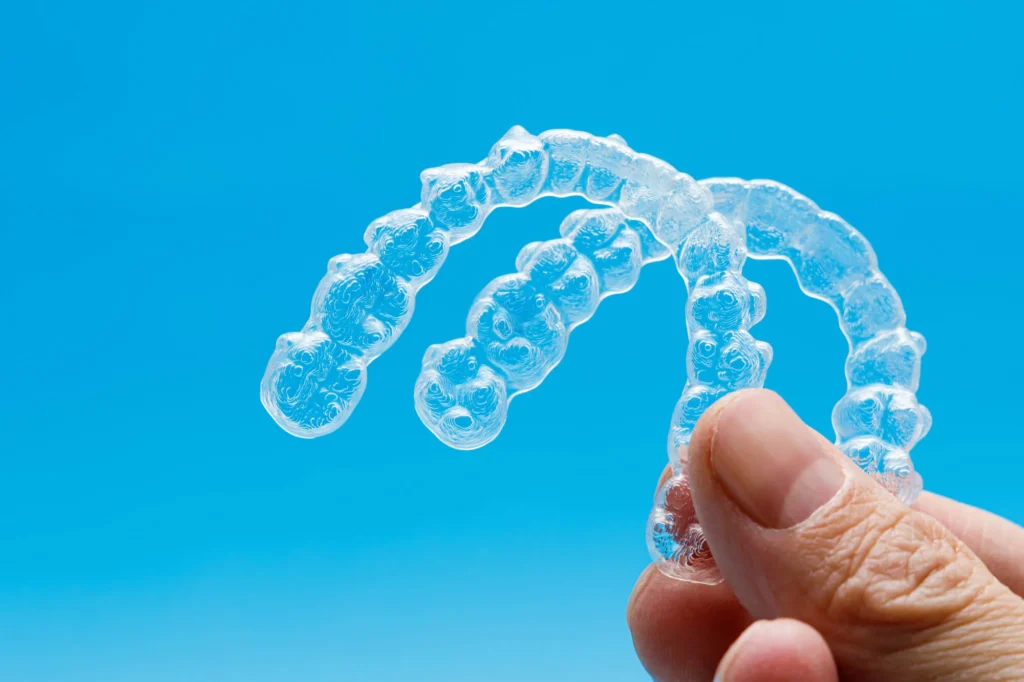
Comparing Invisalign and Traditional Braces for Adults
Invisalign Offers a Nearly Invisible Look
One reason adults love Invisalign is the clear appearance. The aligners are made from transparent plastic, making them difficult to notice during conversations, meetings, or social events. Many people feel more comfortable wearing them at work or while out with friends.
Invisalign trays are also removable. You can take them out while eating, brushing, and flossing. That means fewer food restrictions and easier oral hygiene. Adults who enjoy coffee, popcorn, or crunchy snacks often appreciate this flexibility.
Treatment still requires commitment. Aligners should stay in place for about 20 to 22 hours each day. Skipping wear time may slow progress.
Braces Handle Complex Cases Well
Traditional braces remain a trusted solution for many dental concerns. Metal brackets and wires provide strong, steady pressure that moves teeth into proper alignment. For adults with severe crowding, bite issues, or rotated teeth, braces may work faster or more effectively.
Modern braces are smaller and more comfortable than older versions. Some adults even choose ceramic braces because they blend in better with natural teeth.
Unlike Invisalign, braces stay attached throughout treatment. Patients do not need to remember to wear them, which can make the process simpler for some people. Regular dental visits help keep adjustments on track.
Comfort and Daily Life Matter
Comfort plays a major role when adults compare Invisalign and braces. Invisalign trays have smooth edges, so they usually cause less irritation to the cheeks and gums. Some patients experience mild pressure when switching to a new aligner set, though this often fades quickly.
Braces can create soreness after adjustments. Wires and brackets may also irritate soft tissues inside the mouth. Orthodontic wax often helps reduce discomfort.
Daily routines look different with each option. Invisalign aligners must be removed before meals and cleaned often. Braces require extra care when brushing and flossing around brackets and wires.
Treatment Time Depends on Your Needs
Every smile is unique. Some Invisalign cases finish in as little as 12 months, while others take longer. Braces often require 18 months to two years, especially for complex corrections.
A dental exam is the best way to determine which treatment suits your needs. Your dentist will evaluate your teeth, gums, bite alignment, and overall oral health before recommending a plan.
What Does Invisalign Cost Compared With Braces?
Cost is one of the first questions adults ask. Pricing for both options depends on how complex your case is, how long treatment will take, and whether your dental insurance includes orthodontic benefits. For many adults, the two options end up closer in price than expected, so the decision often comes down to fit and lifestyle rather than budget alone. We review the estimate with you at your consultation, and our financing options can help spread payments into amounts that feel manageable.
Who Is a Good Candidate?
Most healthy adults can be evaluated for either treatment, but a few things need to be in order first. Teeth and gums should be free of active decay and gum disease, since moving teeth through unhealthy gums can cause problems. Existing crowns, bridges, or implants can affect how a treatment is planned, and your dentist will account for them. If your teeth are very crowded or your bite is complicated, braces may be recommended. If your issues are mild to moderate and you want a discreet option, Invisalign may be an excellent match.
What Your First Consultation Looks Like
Your visit starts with a conversation about your goals, followed by a full exam, X-rays, and a digital scan of your teeth. Dr. Gottlieb then walks you through which option suits you, how long it may take, and what to expect from your first few weeks. There is no pressure to decide on the spot.
Keeping Your Results After Treatment
Straight teeth want to drift back, so a retainer is part of every plan. Wearing it as directed protects the time and money you invested. Many adults also pair a new alignment with professional teeth whitening once treatment ends, for a complete smile makeover.
If you are searching for an orthodontic option near Franklin Township, our Franklinville office welcomes patients from the surrounding area. Call (856) 694-5555 or contact us to book your consultation.
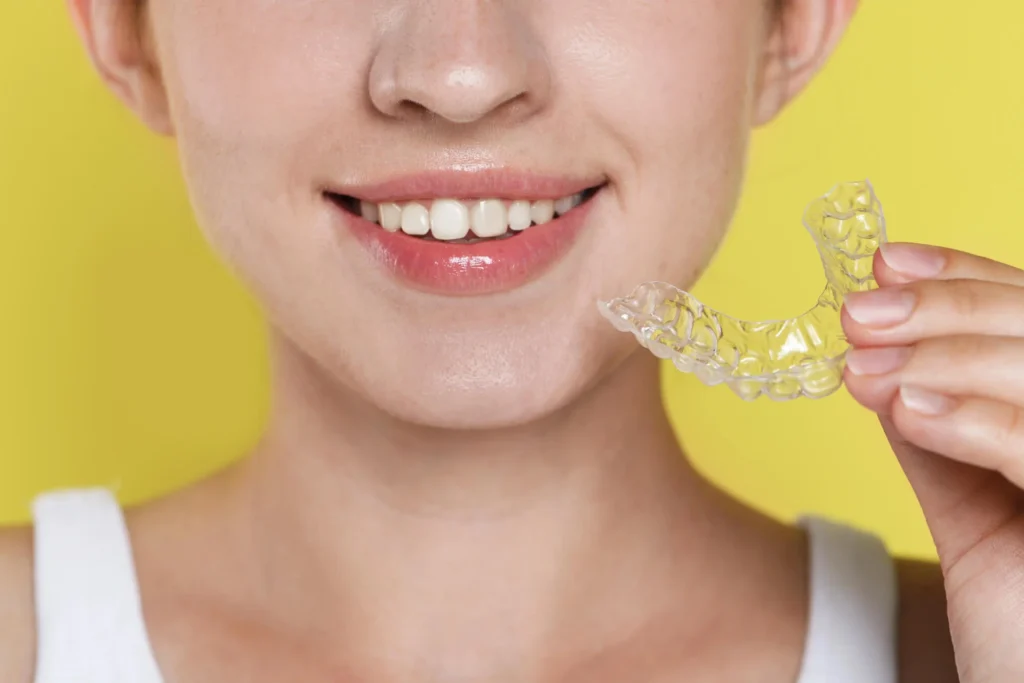
Discover Your Best Smile With General Dentistry in Franklinville, NJ
Choosing between Invisalign and braces does not have to feel overwhelming. Both treatments can improve your smile, confidence, and long-term oral health. The best choice depends on your goals, lifestyle, and dental condition.
If you are ready to explore your options for general dentistry, contact Franklinville Family & Cosmetic Dentistry today. Their friendly team can help you find the right treatment for a healthier, more confident smile.
*Invisalign®, the Invisalign logo, and iTero®, among others, are trademarks and/ or service marks of Align Technology, Inc. or one of its subsidiaries or affiliated companies and may be registered in the U.S. and/or other countries.