
A dental emergency rarely arrives with any warning, which is why knowing what to do in the first few minutes can matter just as much as who gets called. Reaching an emergency dentist in Franklinville, NJ, quickly is important. Still, the right first response can also affect whether a tooth or restoration can be saved.
The steps below cover the most common dental emergencies and what to do before help arrives.
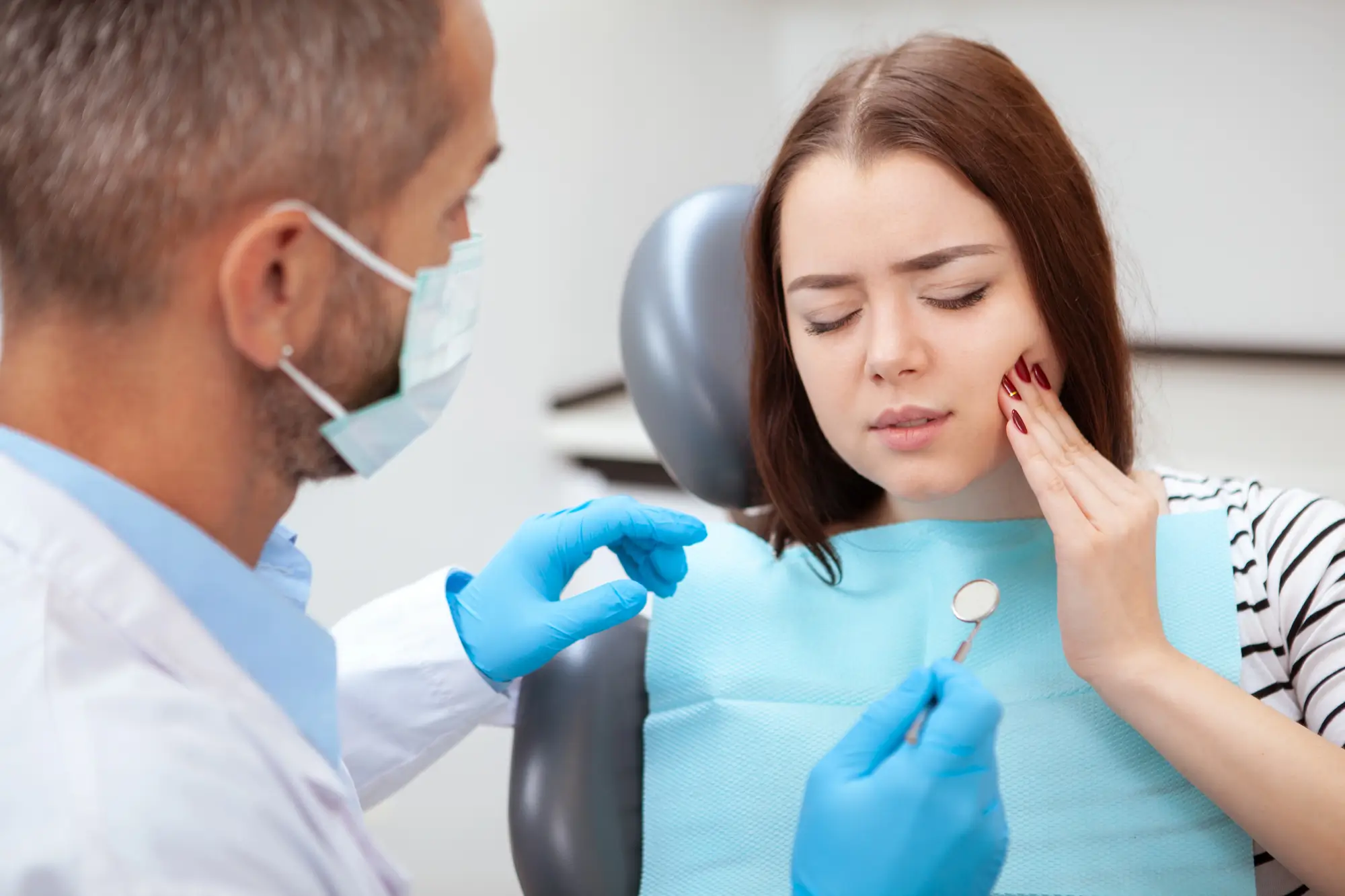
A Knocked-Out (Avulsed) Tooth
Time matters most with a knocked-out tooth, since it has the best chance of being saved when handled within the first hour. The crown should be picked up, rinsed gently without scrubbing, and kept moist in milk or saliva until a dentist can be reached.
Following these tooth-saving guidelines improves the odds of a successful reimplantation. Reinserting the tooth into its socket, if possible, and biting down gently on gauze can also help stabilize it during transport.
A Cracked Or Broken Tooth
A cracked or broken tooth should be rinsed with warm water, and any broken pieces should be saved and brought along to the appointment. A cold compress applied to the cheek can help reduce swelling until the tooth is examined.
Once the immediate issue is addressed, some patients later explore cosmetic repair options to restore the tooth’s appearance alongside its function.
A Lost Filling Or Crown
Losing a filling or crown can expose sensitive areas of the tooth, so temporarily covering the area with dental cement or even sugar-free gum can reduce discomfort. The crown itself should be saved, since it can sometimes be re-cemented in the office.
Understanding the basics of crowns helps explain why a temporary fix should never replace a proper evaluation. A dentist can confirm the best short-term solution until the permanent repair is complete.
Severe Toothache Or Facial Swelling
Persistent pain or facial swelling can indicate an infection that warrants same-day evaluation rather than a wait-and-see approach. Rinsing with warm salt water and taking an over-the-counter pain reliever can temporarily ease symptoms.
Reviewing common toothache warning signs can help patients decide how quickly to act on a persistent ache.
Quick checklist for any dental emergency:
- Stay calm and locate the tooth or broken piece, if applicable
- Rinse the area gently with warm water
- Apply a cold compress to reduce swelling
- Call the dental office as soon as possible
Not every dental issue rises to the level of a true emergency. Assessing dental injuries using a few simple signs can help clarify which symptoms warrant immediate attention rather than a routine visit.
Frequently Asked Questions About Emergency Dental Care
Should A Knocked-Out Tooth Be Left Dry Overnight?
A knocked-out tooth should never be left dry overnight, since the tissue can die within a few hours outside the mouth. Storing it in milk or saliva and calling the office first thing preserves the best chance of reimplantation.
Is A Toothache Always An Emergency?
A toothache is not automatically an emergency, but pain that is severe, sudden, or paired with swelling should be treated as one. Milder, intermittent discomfort can often be waited out until the next available appointment.
Can A Lost Filling Wait Until Morning?
A lost filling can sometimes wait until the following morning if there is no pain or sensitivity. However, any sharp edges or exposed nerve endings should prompt a same-day call instead.

Contact An Emergency Dentist In Franklinville, NJ, Right Away
Dental emergencies are stressful, but knowing the right first steps helps protect both comfort and long-term oral health. The team at Franklinville Family & Cosmetic Dentistry is ready to help. Patients who need emergency dental care in Franklinville, NJ, can schedule an appointment as soon as a problem arises.